
The call of Tawhid
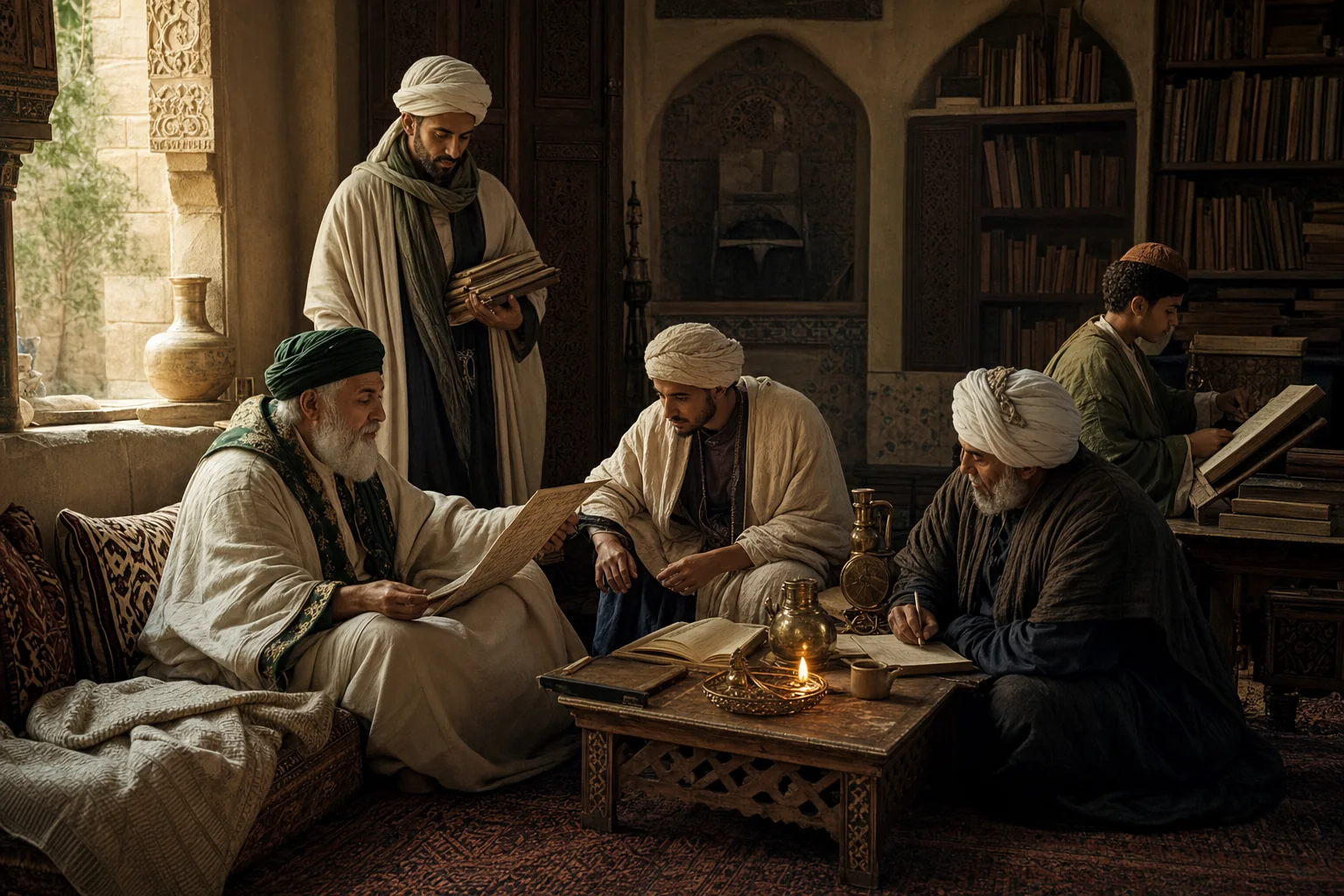
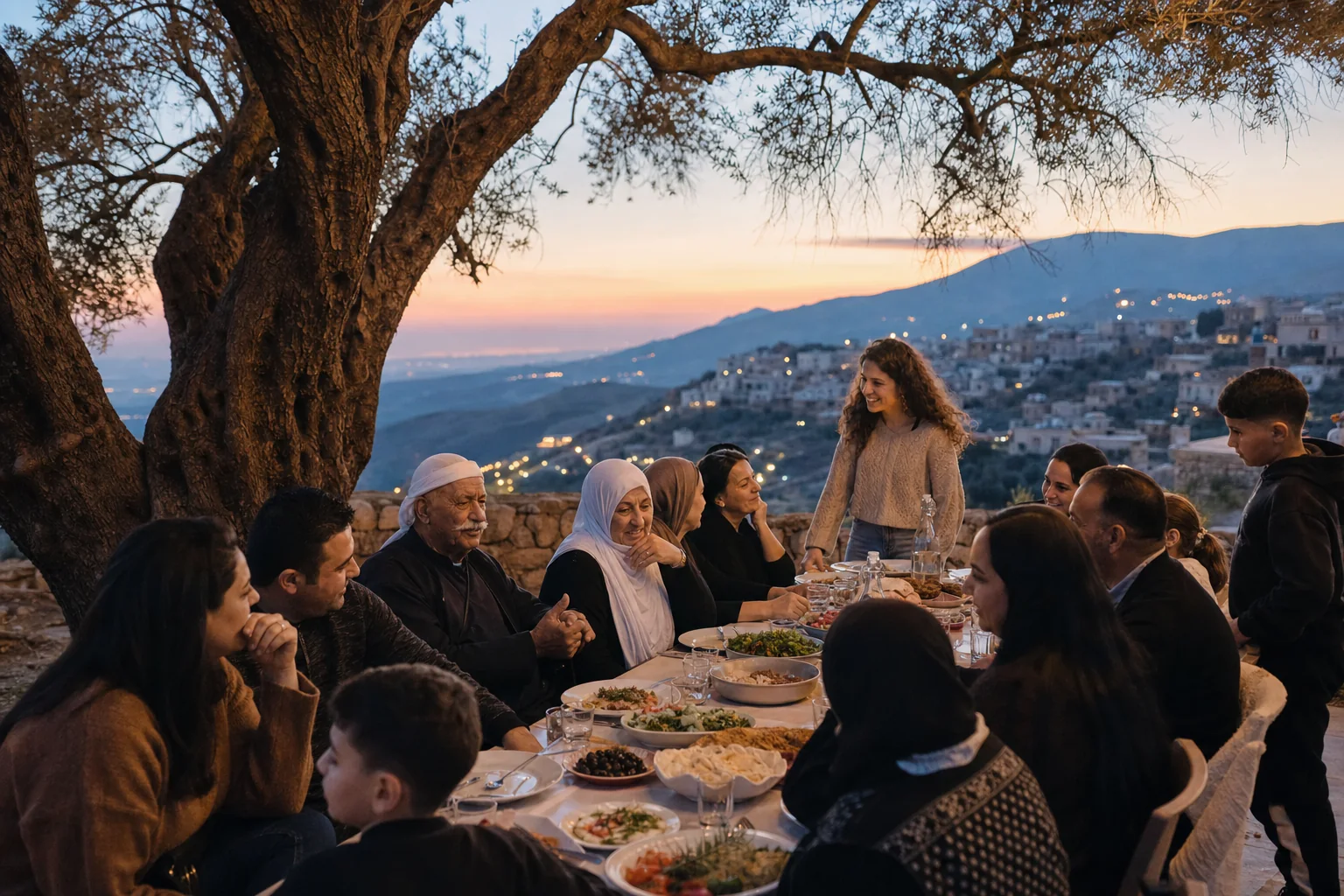
Hamza ibn Ali organizes a teaching of divine unity in Fatimid Cairo.
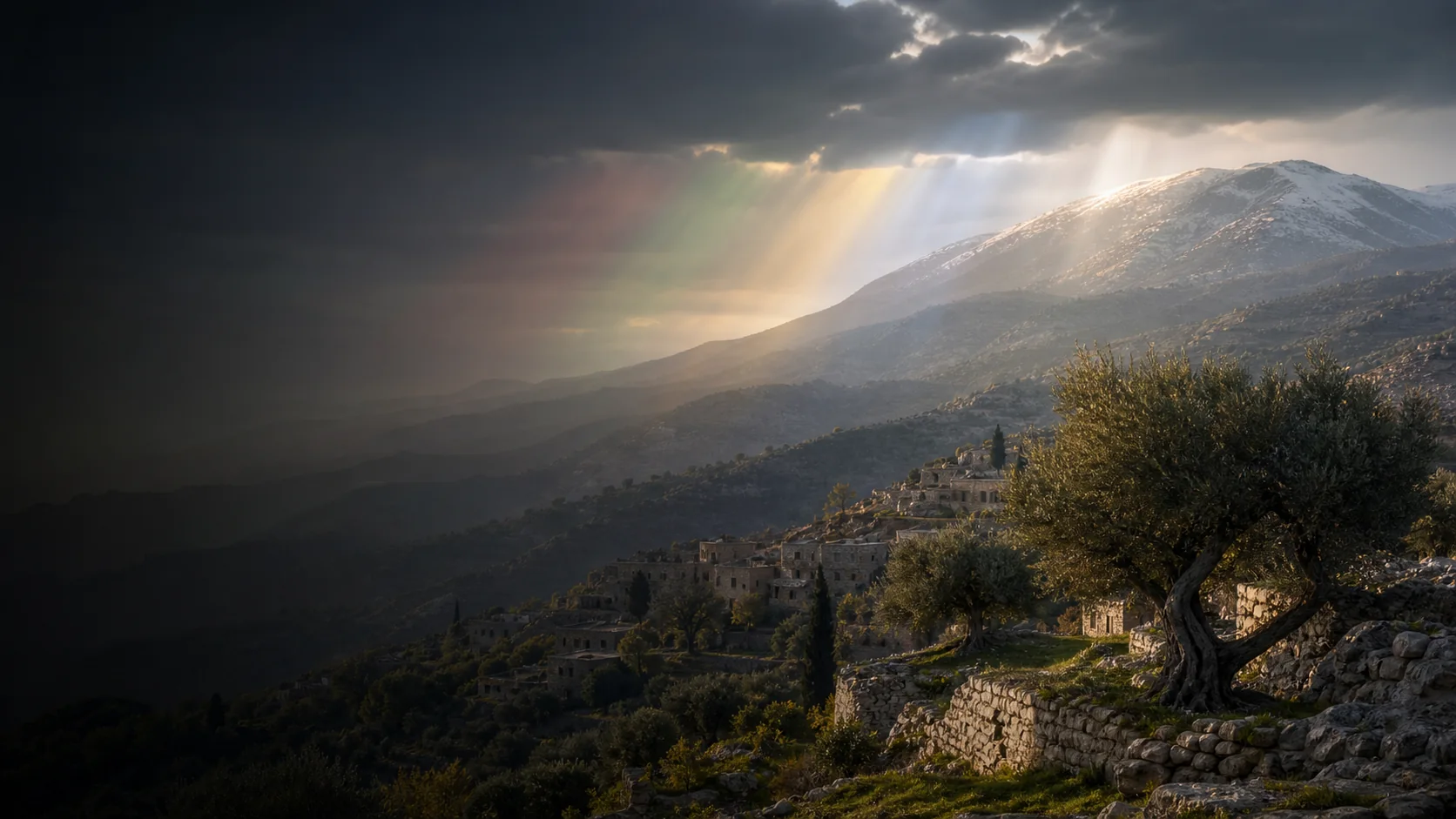
A lineage · a people · a buried history
An evidence-led journey from a thousand years of Druze continuity to the Shroud's H33 signal, the Jesus Strand, hidden identities, and the old-world cities beneath our feet.
Begin with the record
Before the larger theory, there is a remarkable documented foundation: an eleventh-century call in Cairo, a closed community, a mountain corridor across the Levant, and a continuity that survived every empire around it.
Hamza ibn Ali organizes a teaching of divine unity in Fatimid Cairo.
Conversion ends; family, ethics, and memory become the vessels of identity.
Sultan al-Atrash leads a Druze uprising into the wider Great Syrian Revolt.
Communities in the Levant and diaspora preserve a living, internally diverse tradition.
New interactive field tool
Calculate any word or phrase across historic Hebrew values and four modern English ciphers. Begin with a number to search more than 200 names, places, symbols, and sacred terms—or generate unexpected two-part combinations.
Launch the translator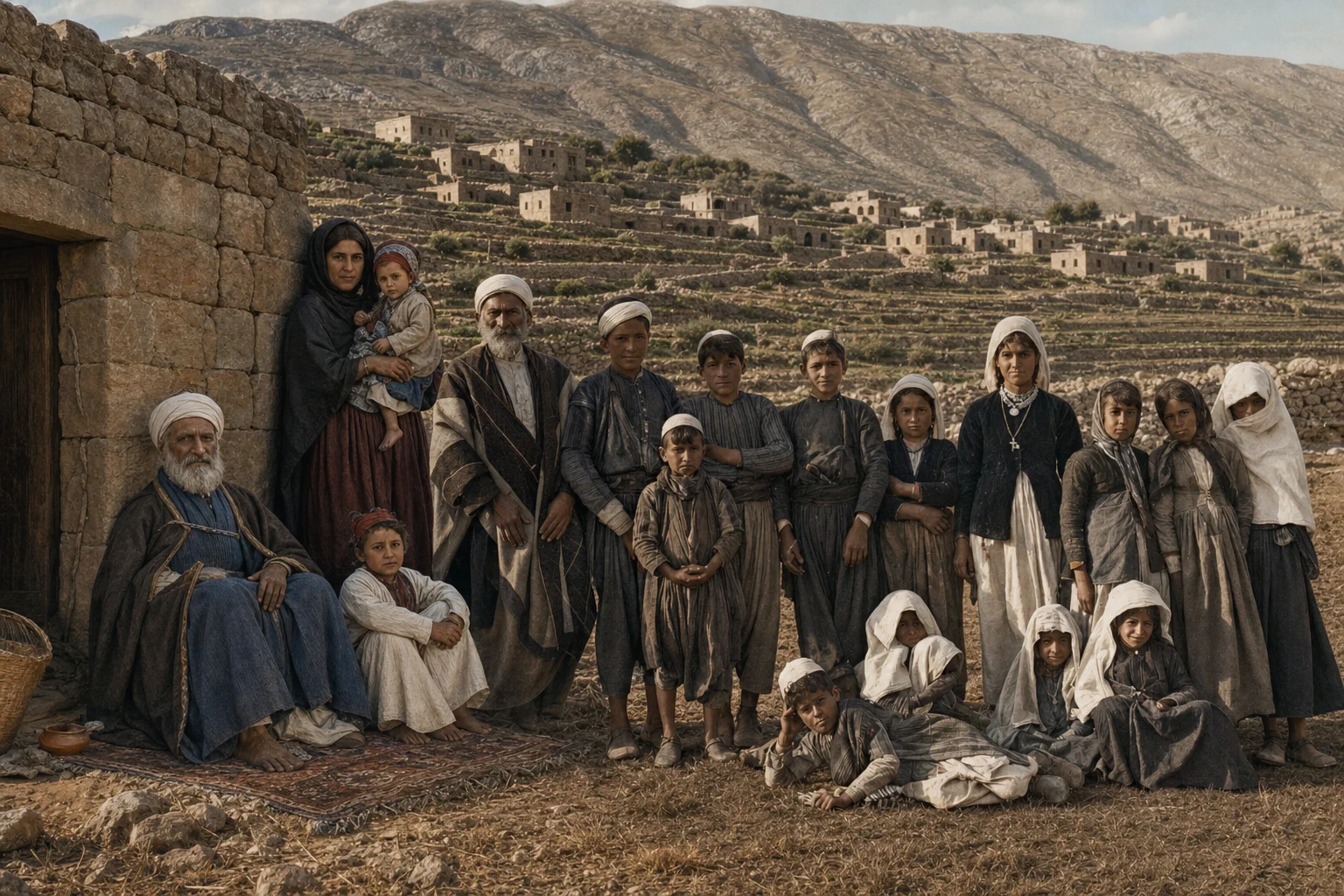 Original historical reconstruction informed by a 1901 Mount Hermon family photograph
Then follow the divergence
Some theorize that the Druze did not merely survive history; they became the deliberate refuge of an older sacred family line. The closed call, mountain homelands, family networks, guarded texts, and distinctive genetic history form the proposed architecture of preservation.
This inquiry follows the convergences seriously. It separates fixed records, published findings, and interpretive bridges so the unusual evidence can be seen at full strength.
Enter the living-line thesis ↗The complete path
Begin in order, or enter through the question that brought you here.
01
The living-line thesis
 02
02
Cairo · 1017
 03
03
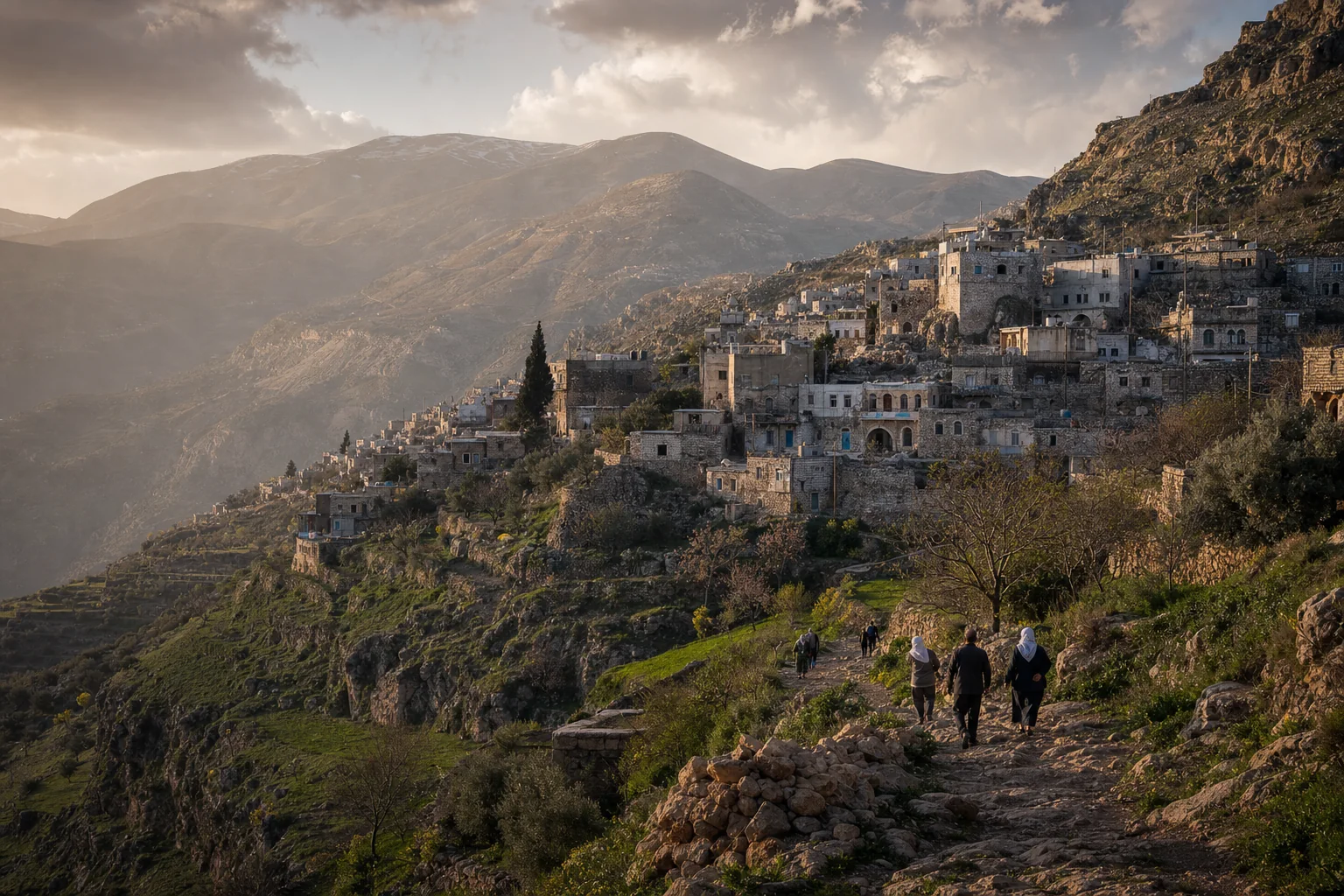
Hermon · Lebanon · Hawran
 04
04
Population memory
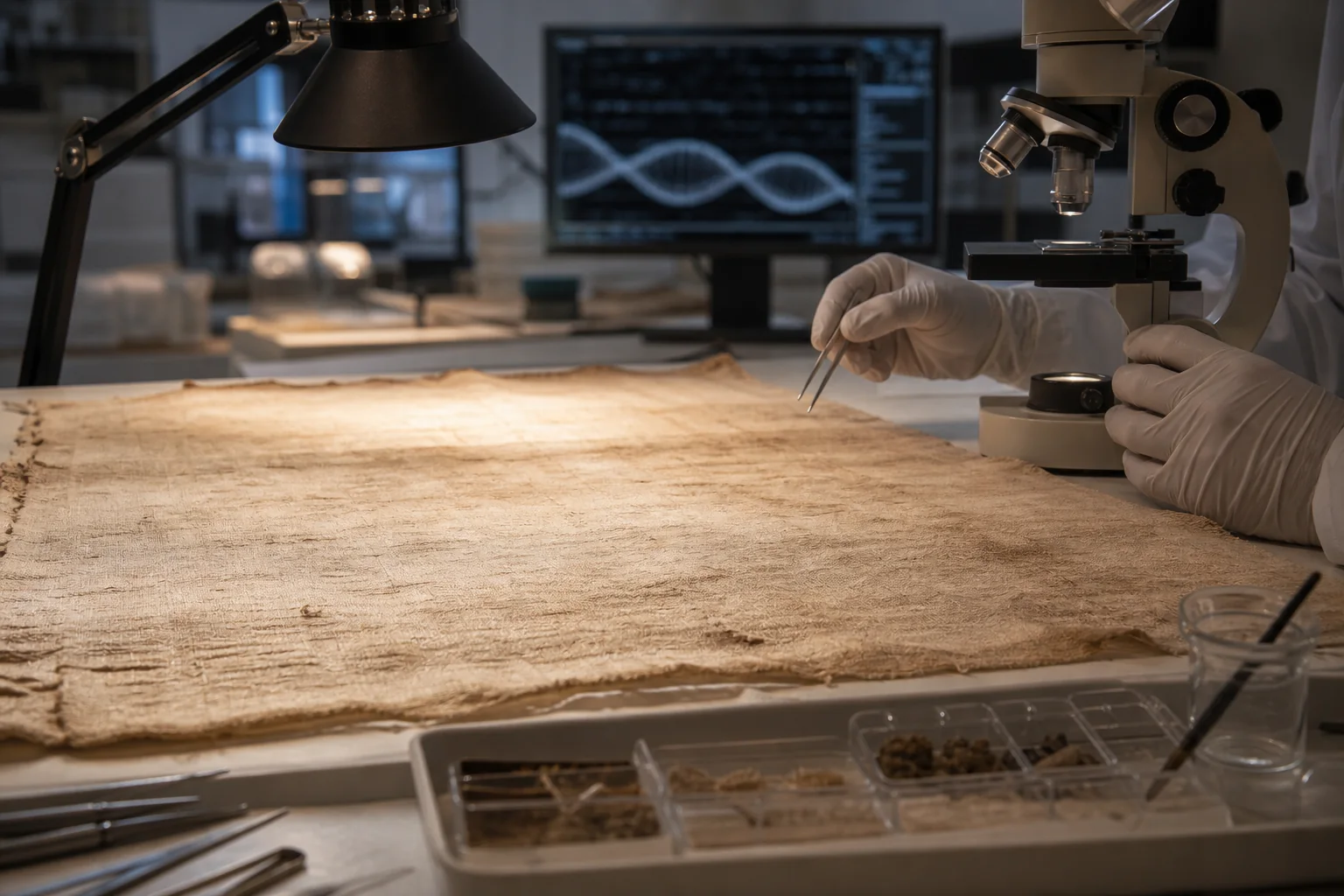 05
05
The H33 signal
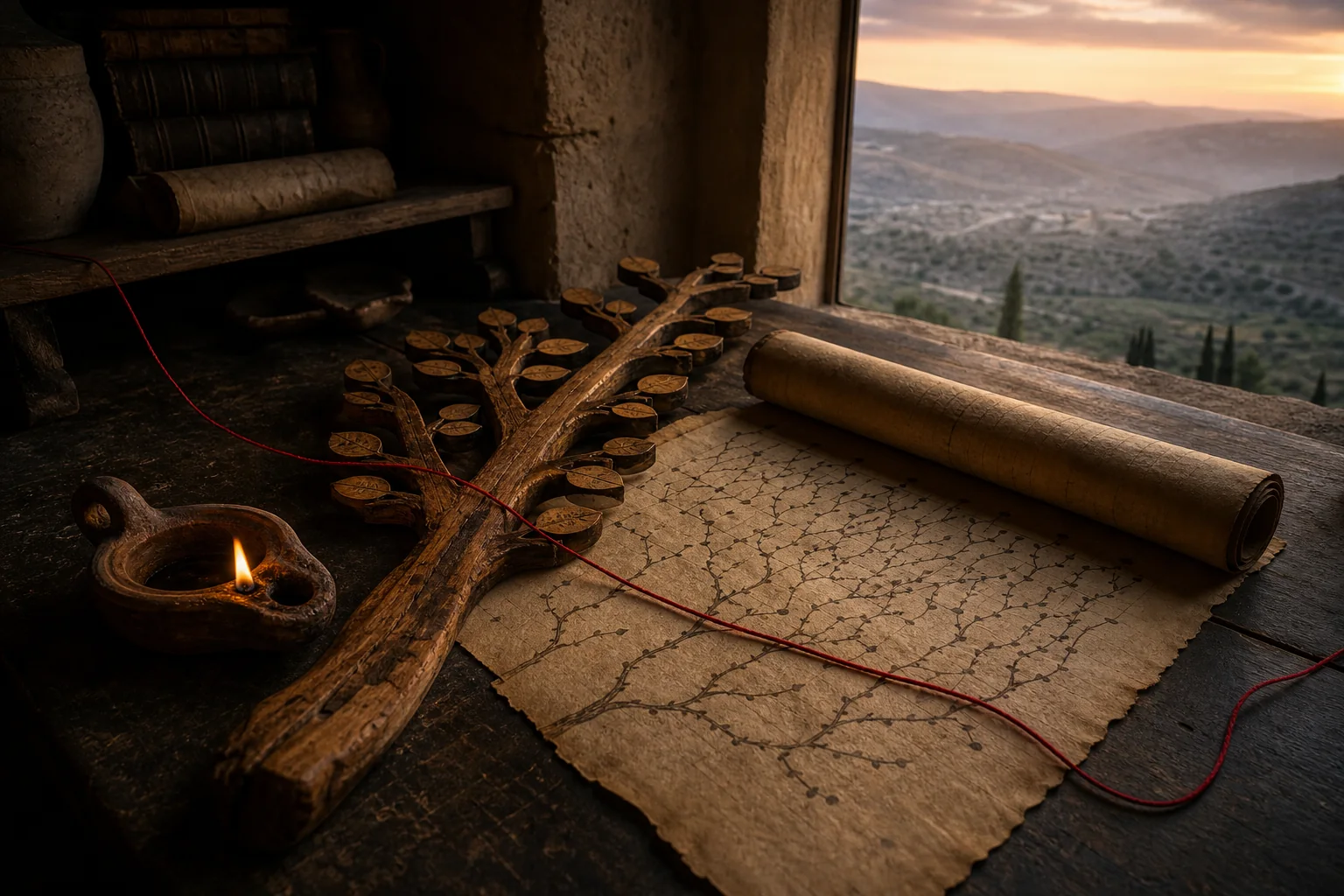 06
06
Companion · family · transmission
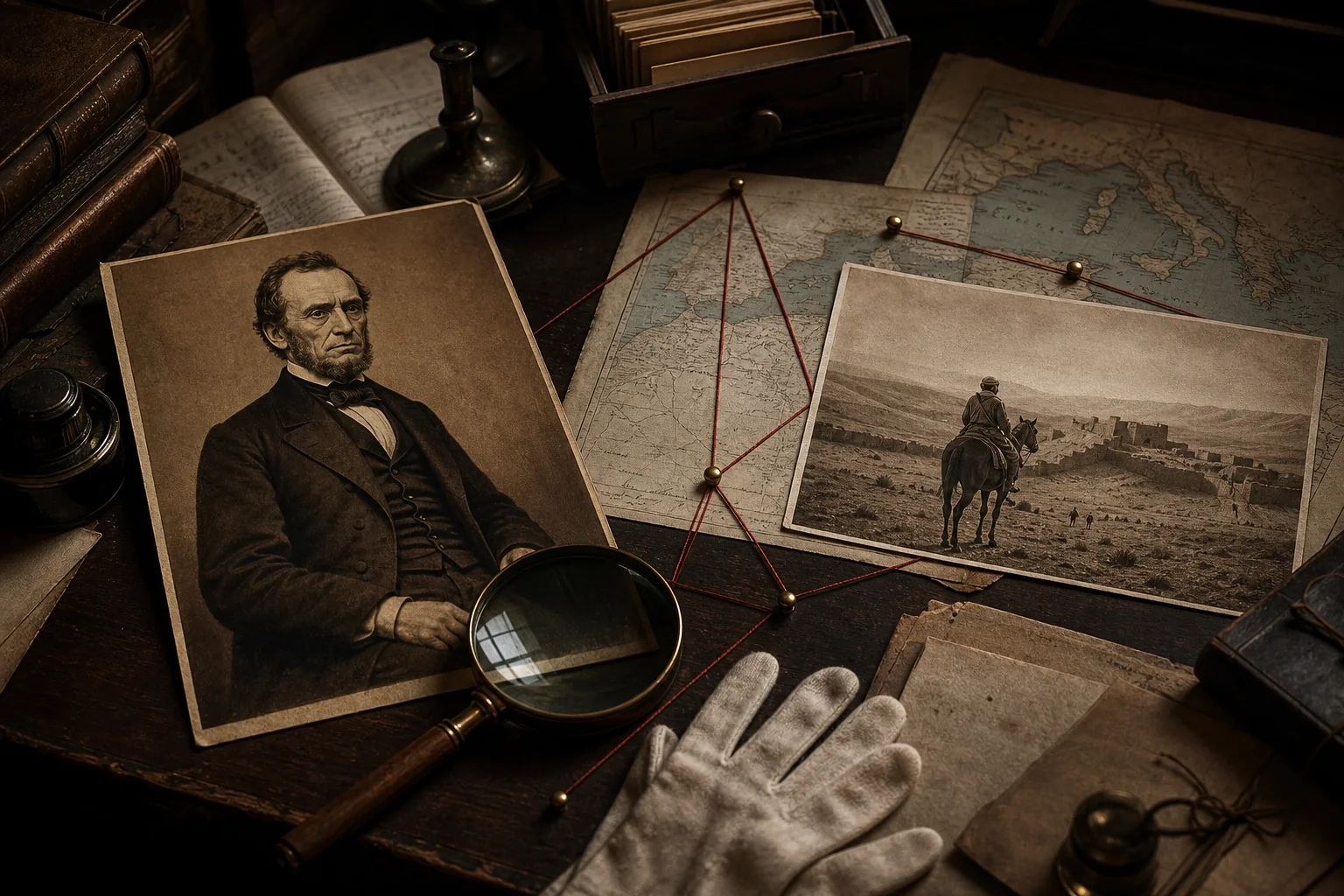 07
07
Names · faces · crossings
 08
08
Five colors · recurring measures
 09
09
Maps · mud · monumental cities
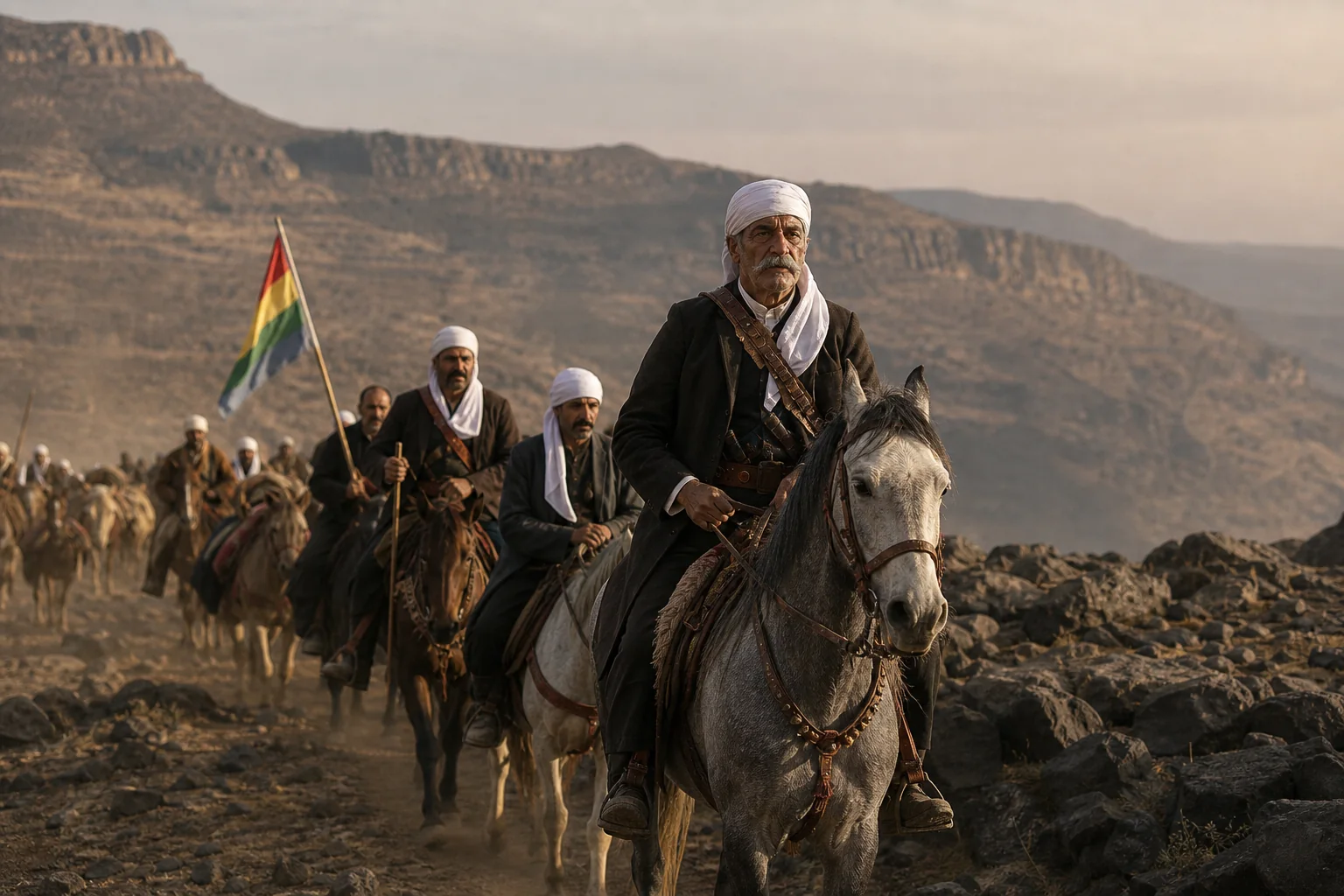 10
10
Sultan al-Atrash · 1925
 11
11
The line in the present
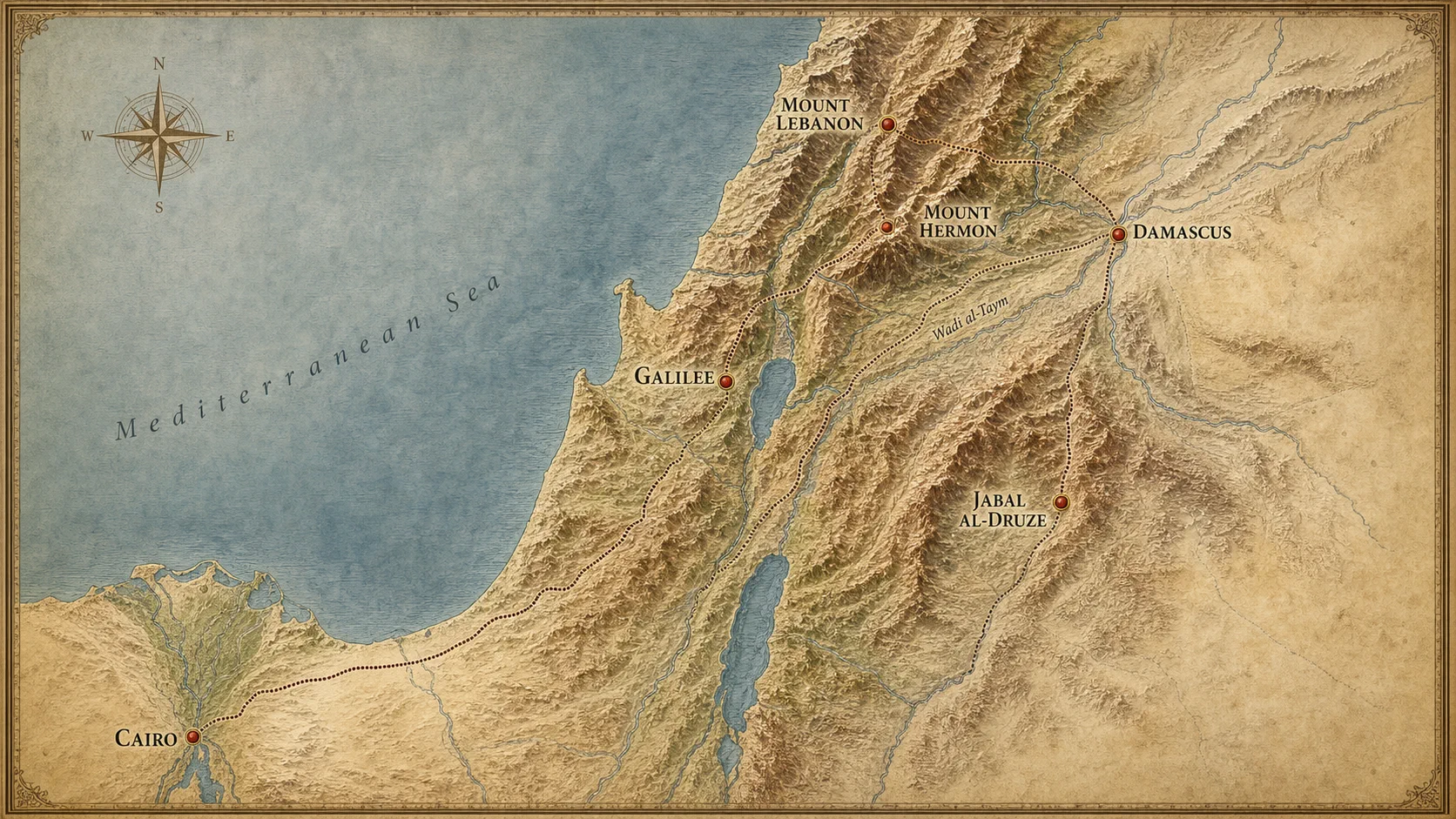 Original interpretive map
Sacred geography
First Enoch places the Watchers' oath on Mount Hermon. The Gospels place Jesus near its southern approaches before the Transfiguration. Druze villages later hold the same corridor across centuries.
The overlap does not prove descent, but it gives the theory a landscape with unusual textual depth.
Explore the mountain corridor ↗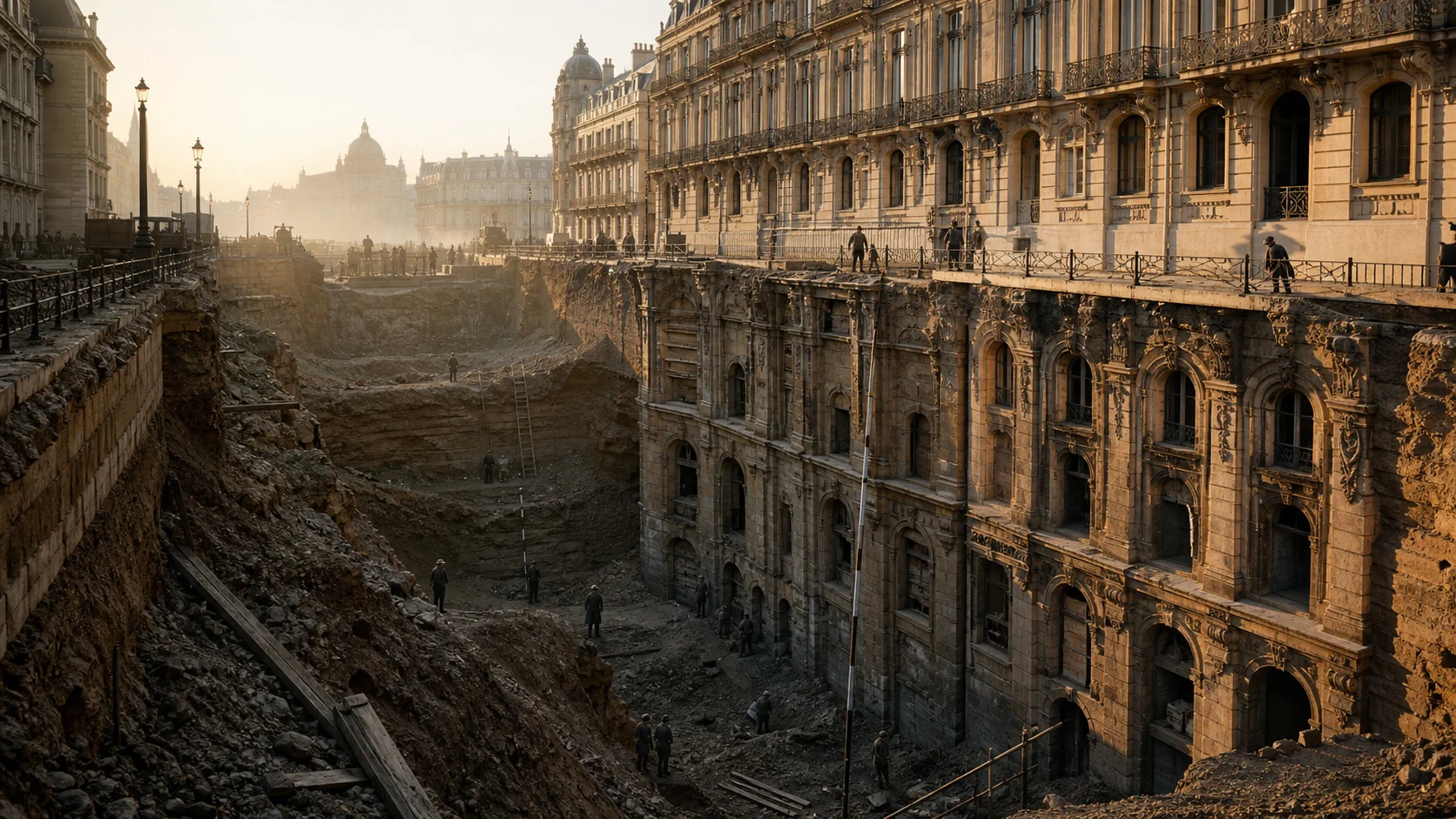 Original speculative reconstruction
The Tartaria crosscurrent
Old maps name Tartary across Eurasia. Buried windows, underground streets, and immense exposition cities invite a related question: how much inherited infrastructure has been renamed, repurposed, or assigned a compressed construction story?
For the bloodline inquiry, the parallel is powerful—buildings can carry the memory of a civilization just as families can carry the memory of a line.
Enter the buried world ↗Four strands of support
The thesis gains strength when independent lines meet: historical continuity, textual memory, scientific findings, and interpretive connections that make clear predictions.
Browse sources & mediaThe proposed family, identity, and civilizational connections.
People, maps, texts, and events preserved in records.
Published genetic or material findings and their limits.
The connection that joins clues and identifies the next test.
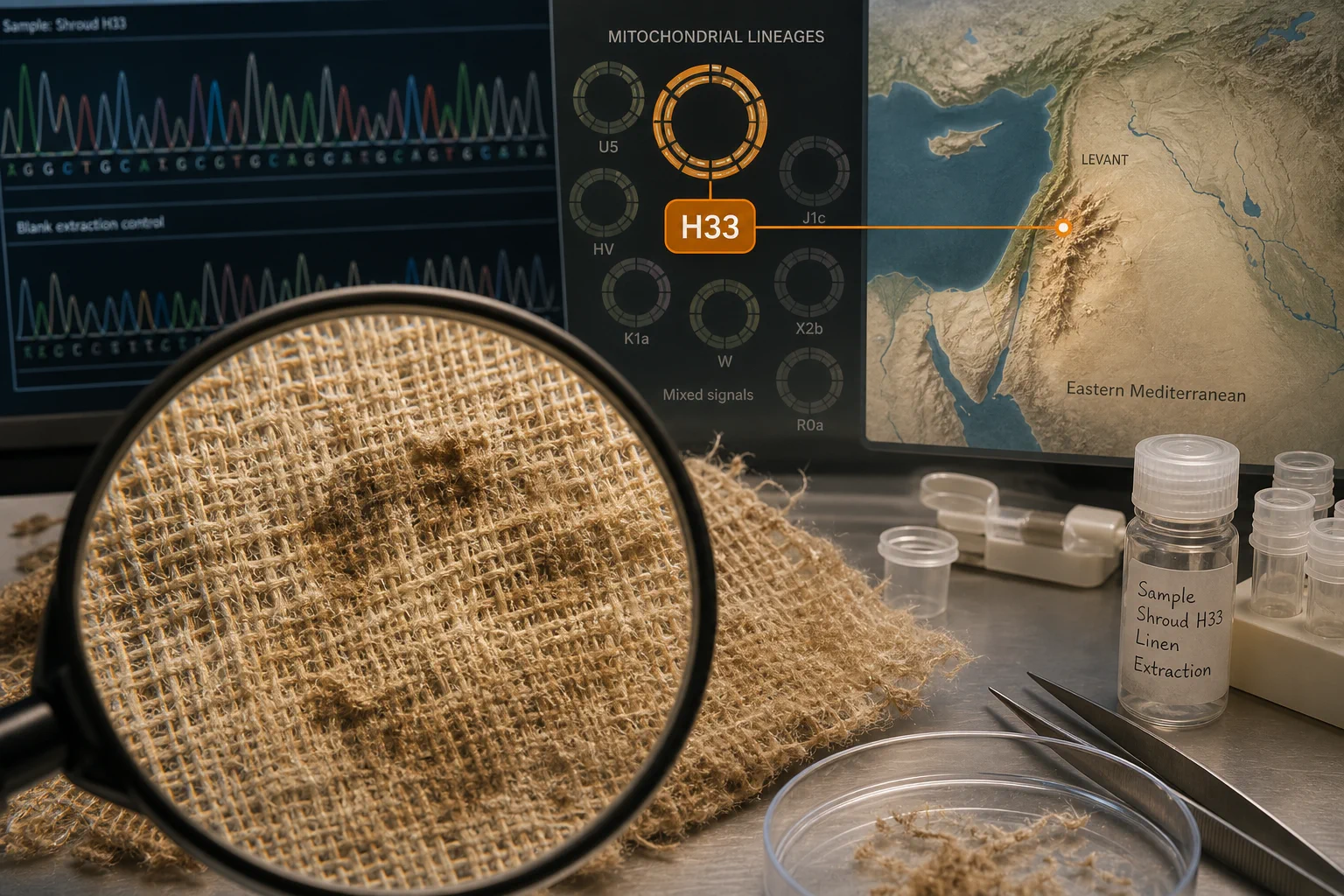 Conceptual visualization of published findings
The laboratory thread
A published Shroud study reported an uncommon mitochondrial signal, H33, that its reference literature associated mainly with Druze samples. The cloth also carries many other traces from a long history of movement and contact.
The result is not a finished genealogy. It is a real, testable point of contact exactly where the larger theory predicts one might appear.
Examine the Shroud evidence ↗Follow the strand
Start in Fatimid Cairo, cross Mount Hermon, and decide how far the converging evidence carries the living-line thesis.
Continue to Cairo Watch on Rumble
Featured conversation
Stu’s News UK and Elisa V USA welcome special guest Brian Monqey for Thursday Thunder, Ep. 36—a transatlantic conversation under the shared banner of truth and freedom.
Contact
Questions, sources, event information, and contributions to the archive are welcome.